People know Saskatchewan for its vast fields and farming opportunities. No matter if you’re an experienced farmer or a newbie, buying farmland here is thrilling. This guide will help you understand the basics of purchasing farmland in Saskatchewan.

Why Choose Saskatchewan?
Saskatchewan has over 40% of Canada’s farmable land. It’s a top producer of wheat, barley, lentils, peas, and canola. Living costs are low, and land is cheaper than in Ontario or British Columbia. In 2023, farmland values in Saskatchewan rose by 11.4%. Still, many areas remain affordable.
Types of Farmland Available
Not all farmland is the same. Here are the main types you can find in Saskatchewan:
- Dryland Cropland: Used for grains and oilseeds; it relies on rainfall.
- Irrigated Land: Has irrigation systems; usually more expensive.
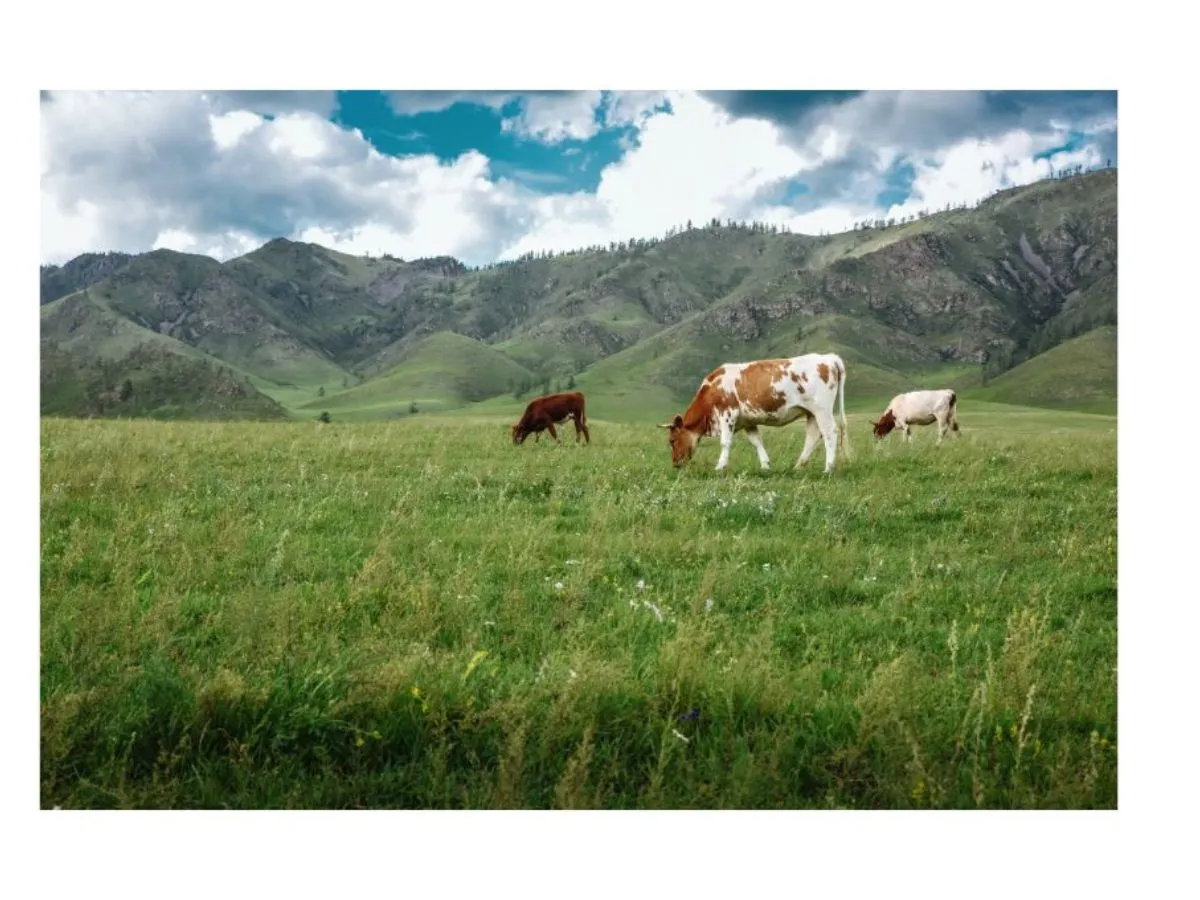
- Pasture land: Ideal for grazing animals like cattle and sheep.
- Mixed-Use Land: Combines crops, pasture, and sometimes trees.
- Organic Farmland: Certified for organic farming or becoming certified.
Decide what type of farming or investment you’re interested in to choose the right land.
Steps to Buying Farmland
Buying farmland in Saskatchewan involves understanding zoning regulations, soil quality, and water access. Here are some steps discussed below:
1. Know Your Purpose
Are you buying to farm, invest, or for family use? Some people buy land to lease it out, while others want to farm themselves. Knowing your goal helps in making the right choices.
2. Pick a Region
Saskatchewan is large, and different areas offer different opportunities:
- Regina and Moose Jaw: Fertile land with good rental markets.
- Saskatoon Area: Higher land prices but close to services.
- Kindersley/Rosetown: Great for grain farming.
- Yorkton and Melville: Suitable for mixed farming.
Check local listings and talk to rural municipalities about pricing and taxes.
3. Work with a Farmland Realtor
Not all real estate agents specialize in farmland. Find one who understands zoning laws, soil types, and land history. They can guide you through the buying process and help avoid mistakes.
4. Use Online Resources
Join forums and groups where people discuss farmland buying:
These platforms offer listings, tips, and community advice.
5. Understand Local Rules
Each Rural Municipality (RM) has its own rules about land use and building codes. Before buying, check with the local RM to ensure the land suits your plans. You can find RM’s contact information.
6. Evaluate the Land
Before making an offer:
- Check soil quality and type.
- Assess drainage and flood risks.
- Ensure road access is reliable year-round.
- Identify water sources like wells or ponds.
- Review crop history and yields.
- Look for any environmental restrictions.
You can get detailed soil maps from the Government of Saskatchewan or hire a land appraiser.
7. Financing Your Purchase
Buying farmland is different from buying a house. Banks usually require a 25–35% down payment. Farm Credit Canada (FCC) offers programs for new farmers. Some buyers also consider vendor financing, where the seller helps finance the purchase.
Useful financing resources:
Note: Depending on usage and the seller’s status, purchases may be subject to GST. Consult an accountant familiar with farm sales.
8. Environmental Considerations
Some areas have environmental protections:
- Bird sanctuaries.
- Protected grasslands.
- Wetland management zones.
- Indigenous treaty rights.
Check with the Saskatchewan Conservation Data Centre for more information.
Is Farmland a Good Investment?
Yes, especially long-term. Reasons include:
- Steady increase in land values.
- Protection against inflation.
- High demand for land leases.
- Strong agricultural economy in Saskatchewan.
However, remember that farmland isn’t a quick-profit asset. It requires ongoing care and management.
Final Thoughts
Buying farmland in Saskatchewan is not just a purchase. It’s a commitment to the land and the community. Be patient, do your homework, and seek expert advice. Finding the right piece of land may take time, but it’s worth the effort.